Free IPTV M3U playlists offer a way to access a vast amount of entertainment without any monthly fees. Tired of the same old TV channels and their endless bills? Me too. I stumbled upon this whole world of free IPTV M3U playlists, and honestly, it’s been a game-changer. It’s like finding a secret stash of entertainment that doesn’t cost a dime. We’re talking about a way to get a ton of channels from all over the place, right onto your device, without paying a monthly fee. It sounds too good to be true, but it’s not. Let’s get into how you can find and use these link iptv m3u lists.
Discovering Free IPTV M3U Playlists
So, you’re tired of paying for endless streaming subscriptions, right? Me too. It feels like every month there’s a new service to sign up for, and the costs just keep piling up. That’s where the world of free IPTV M3U playlists comes in. It’s like finding a secret stash of channels that lets you watch stuff without shelling out cash. This is your ticket to a more budget-friendly way to catch your favorite shows and live events.
The Allure of Free IPTV
Why are so many people looking for these free IPTV lists? Well, it’s pretty simple. You get access to a huge variety of content, often from all over the world, without the monthly fees. Think live sports from different countries, international news, or even niche channels you’d never find on regular cable. It’s a way to break free from the usual paid options and explore a wider TV landscape. It feels a bit like being a TV explorer, finding new streams and content all the time.
Understanding M3U Playlist Files
Okay, so what exactly is an M3U playlist file? Don’t let the technical name scare you. At its core, it’s just a simple text file. It contains a list of links, or URLs, that point to where the actual video streams are located. When you load an M3U file into an IPTV player, the player reads these links and knows where to find and play the content. Think of it like a table of contents for your streaming channels. Each line in the file usually has some information about the channel, like its name, and then the actual streaming channel URL.
Here’s a peek at what a simple M3U entry might look like:
#EXTINF:-1 tvg-name="Channel Name",Channel Name
http://example.com/stream/channel1.m3u8
Navigating GitHub for IPTV Resources
Now, where do you find these M3U files? A lot of people share them on platforms like GitHub. GitHub is a place where developers share code and other digital projects. You’ll find communities there that regularly update lists of free IPTV M3U playlists. It’s like a big, open-source library for TV streams. You can search for terms like “IPTV M3U” or “free IPTV lists” to find repositories (which are basically organized collections of files) where enthusiasts share their findings. It takes a bit of digging, but you can uncover some really great resources for live TV m3u files.
Finding reliable sources on GitHub is key. Some lists are updated frequently, while others might be outdated. It’s a good idea to look for repositories that have recent activity or a lot of community support, as this often means the links are more likely to be working.
Finding and Downloading M3U Links
So, you’ve heard about these free IPTV playlists and want to get your hands on some M3U links. It’s not as complicated as it sounds, but it does take a bit of searching. Think of it like hunting for a specific book in a huge library – you know it’s there, you just need to know where to look.
Searching for Updated IPTV Playlist Links
Your best bet for finding active M3U links is often online communities and code repositories. Websites like GitHub are treasure troves for this kind of thing. People share lists they’ve found or put together, and these get updated pretty regularly. You’ll want to look for terms like “IPTV playlist,” “M3U links,” or “free TV channels.” Keep in mind that these lists can change fast, so finding a recently updated one is key. Some folks even run dedicated websites or forums where they post and manage these links.
Identifying Reliable M3U Sources
Not all M3U links are created equal. Some sources are packed with working channels, while others might be full of dead ends. How do you tell the difference? Look for sources that mention regular updates. If a list hasn’t been touched in a year, chances are many of the links won’t work anymore. Also, check comments or discussions if available; other users often chime in about whether a source is good or not. A good sign is a source that categorizes its links or provides some description of what you’re getting.
The Importance of Fresh Playlists
This is a big one. IPTV streams, especially free ones, can be temporary. Channels get added, removed, or moved all the time. If you download an M3U playlist today and try to use it next week, you might find half the channels are gone. It’s like trying to use an old phone number – it probably doesn’t work anymore. That’s why you need to actively look for updated lists. A good m3u playlist downloader tool can help you manage and check your lists, but the source itself needs to be current.
Here’s a quick look at some common sources and what to expect:
| Source Type | Typical Content | Update Frequency | Reliability | Notes |
|---|---|---|---|---|
| GitHub Repositories | Broad mix of international and niche channels | Daily to Weekly | Varies | Requires active searching for updates |
| Dedicated IPTV Sites | Curated lists, often with specific categories | Weekly to Monthly | Moderate | Can sometimes have ads or be less updated |
| User Forums/Groups | Community-shared links, often experimental | Sporadic | Low to High | Check community feedback |
Finding working M3U links is an ongoing process. What works today might not work tomorrow, so staying vigilant and checking for fresh sources is part of the game. Don’t get discouraged if some links don’t pan out; persistence is rewarded with access to a world of content.
Utilizing IPTV M3U Playlists Effectively
Loading M3U URLs into IPTV Players
So you’ve found a promising M3U playlist, maybe from a GitHub repository or a dedicated IPTV forum. The next step is getting it into your IPTV player. Most players make this pretty straightforward. You’ll typically find an option to ‘Add Playlist’ or ‘Import URL’. Simply paste the M3U URL you copied directly into the designated field. The player then fetches the list of channels and streams from that URL. It’s like giving your player a direct line to the TV guide you’ve chosen. Some players also allow you to download the M3U file itself and upload it, which can be useful if you prefer to keep a local copy or if the URL is sometimes unstable.
Choosing the Right IPTV Player
Not all IPTV players are created equal, and picking the right one can make a big difference in your viewing experience. You want something that’s easy to use, supports M3U playlists well, and plays streams smoothly. Some popular choices include VLC Media Player (which is free and works on almost anything), Kodi with an IPTV Simple Client add-on, and dedicated apps like Tivimate or IPTV Smarters Pro. Each has its own quirks and features. For example, Tivimate is often praised for its slick interface and EPG integration, while VLC is just a reliable workhorse.
Here’s a quick look at some common player types:
| Player Type | Pros | Cons |
|---|---|---|
| Dedicated IPTV Apps | Feature-rich, EPG support, user-friendly | Can be paid, platform-specific |
| Media Center Add-ons | Flexible, integrates with existing setup | Can be complex to set up initially |
| General Media Players | Widely available, simple to use | Basic features, less IPTV-specific |
Organizing Your IPTV Content
Once you’ve loaded a few playlists, things can get messy fast. A long, unorganized list of channels isn’t much fun. Most good IPTV players offer ways to organize your content. You can usually create ‘favorite’ lists to quickly access your most-watched channels. Many players also automatically sort channels into categories based on the playlist’s grouping (like ‘Sports’, ‘Movies’, ‘News’). If your player doesn’t do this automatically, or if you want to create your own custom categories, look for options to ‘edit playlists’ or ‘manage channels’. This might involve reordering channels, assigning them to new groups, or even merging multiple playlists into one master list. It takes a little effort, but having a well-organized channel lineup makes finding something to watch a breeze.
Keeping your playlists updated is key. A playlist that worked last week might have broken links today. Regularly checking for updated M3U files or URLs will save you a lot of frustration down the line. Think of it like tending a garden; a little regular maintenance goes a long way.
Exploring Global Content with M3U
Accessing International Channels
So, you’ve got your M3U playlist loaded up, and you’re ready to see what’s out there beyond your local channels. This is where things get really interesting. The beauty of these free playlists is their global reach. You can literally hop from a news channel in the UK to a sports broadcast in Brazil, all without changing your subscription.
It’s not just about finding channels from different countries; it’s about experiencing different cultures and perspectives through their television. Think about catching a live cricket match from India, a classic film from France, or a documentary about wildlife in Africa. The world’s television is at your fingertips.
Finding Specific Language Streams
Sometimes, you’re not just looking for content from a specific country, but content in a particular language. Maybe you’re learning Spanish and want to watch shows in the original language, or perhaps you have family abroad and want to keep up with programming in their native tongue. Many M3U playlists are organized by language, making it easier to find what you’re looking for.
For example, the iptv-org GitHub repository is a fantastic resource. They have separate M3U files for dozens of languages. You can find links like these:
| Language | Stream Count | M3U Link |
|---|---|---|
| Spanish | 1623 | https://iptv-org.github.io/iptv/languages/spa.m3u |
| French | 1000+ | https://iptv-org.github.io/iptv/languages/fre.m3u |
| German | 500+ | https://iptv-org.github.io/iptv/languages/ger.m3u |
| Hindi | 100+ | https://iptv-org.github.io/iptv/languages/hin.m3u |
This makes it super simple to filter down to exactly what you want to watch, in the language you prefer.
Regional IPTV Playlist Options
Beyond just language, you might be interested in content specific to a particular region or continent. Some playlists are curated to focus on channels from Europe, Asia, North America, or South America. This can be helpful if you’re looking for a specific type of programming that’s popular in that area, like European football leagues or Asian dramas.
Here are a few general tips for finding regional playlists:
- Search GitHub: Use terms like “European IPTV M3U,” “Asian TV playlist,” or “South America channels M3U.” You’ll often find repositories dedicated to specific regions.
- Check IPTV Forums: Online communities dedicated to IPTV often have users sharing links and discussing regional content.
- Look for Aggregators: Some websites try to aggregate M3U links from various sources. Be cautious with these, but they can sometimes point you in the right direction for regional content.
Remember that free playlists can change frequently. What works today might not work tomorrow. It’s always a good idea to have a few different sources bookmarked, especially if you’re looking for something specific from a particular region or language. Staying updated is key to keeping your global TV experience fresh and exciting.
Advanced Tips for IPTV Enthusiasts

Using VPNs for Secure Streaming
Look, nobody likes feeling like they’re being watched, right? When you’re digging into the world of free IPTV, especially when looking for IPTV subscription alternatives, using a Virtual Private Network (VPN) is pretty much a no-brainer. It’s like putting on a disguise for your internet traffic. A good VPN encrypts your connection, making it way harder for anyone to snoop on what you’re doing online. This is important because, let’s be honest, some of the sources for free playlists can be a bit of a gray area. Plus, it can help you get around those annoying geo-blocks that stop you from seeing certain channels. I’ve found that using a VPN like NordVPN really helps when I’m trying to access playlists from different regions. It’s not just about privacy; it’s about opening up more content.
Troubleshooting Common Playlist Issues
So, you’ve found a promising M3U playlist, loaded it up, and… nothing. Or worse, it buffers endlessly. This is a super common problem, and it usually comes down to a few things. First off, playlists go stale. Like milk in the fridge, they don’t last forever. Links get taken down, servers go offline, and suddenly your favorite channel is gone. You’ll need to regularly hunt for updated lists. I’ve spent way too many nights scouring GitHub for fresh M3U files, and it’s a bit of a treasure hunt.
Here are some common issues and fixes:
- Dead Links: This is the most frequent offender. The URL in the playlist just doesn’t point to a working stream anymore. The fix? Find a new playlist or try to find updated links. Websites like iptv-org.github.io often have updated country-specific lists.
- Buffering: This can be your internet speed, the server hosting the stream being overloaded, or even your IPTV player struggling. Try a different player, check your internet connection, or try a playlist with fewer users.
- Missing Channels: Sometimes, a playlist might be region-locked or simply incomplete. You might need to combine multiple playlists or find one that specifically targets the content you want.
- EPG Problems: If your Electronic Program Guide isn’t showing up or is all mixed up, the EPG URL in your playlist might be wrong or broken. You might need to find a separate EPG source or a playlist that includes a working one.
Remember, patience is key. You’re dealing with free resources, and sometimes they’re a bit finicky. Don’t get discouraged if your first few attempts don’t work perfectly.
Ethical Considerations for IPTV Usage
This is a big one, and honestly, it’s where things get a little murky. While the players themselves, like Embed IPTV, are just tools, the content you stream through them is another story. Using free IPTV playlists means you’re often accessing content that might be copyrighted. It’s important to be aware of the laws in your country regarding streaming copyrighted material without permission. Think of it like downloading music illegally – it’s generally frowned upon and can have consequences. While many people use these free playlists without issue, it’s wise to understand the risks involved. Always try to source your playlists from reputable places and be mindful of what you’re watching. If you’re looking for a more legitimate and stable experience, consider looking into paid IPTV services or legal streaming options. The goal is to enjoy content, not to break laws or support piracy.
Curating Your Ultimate IPTV Experience
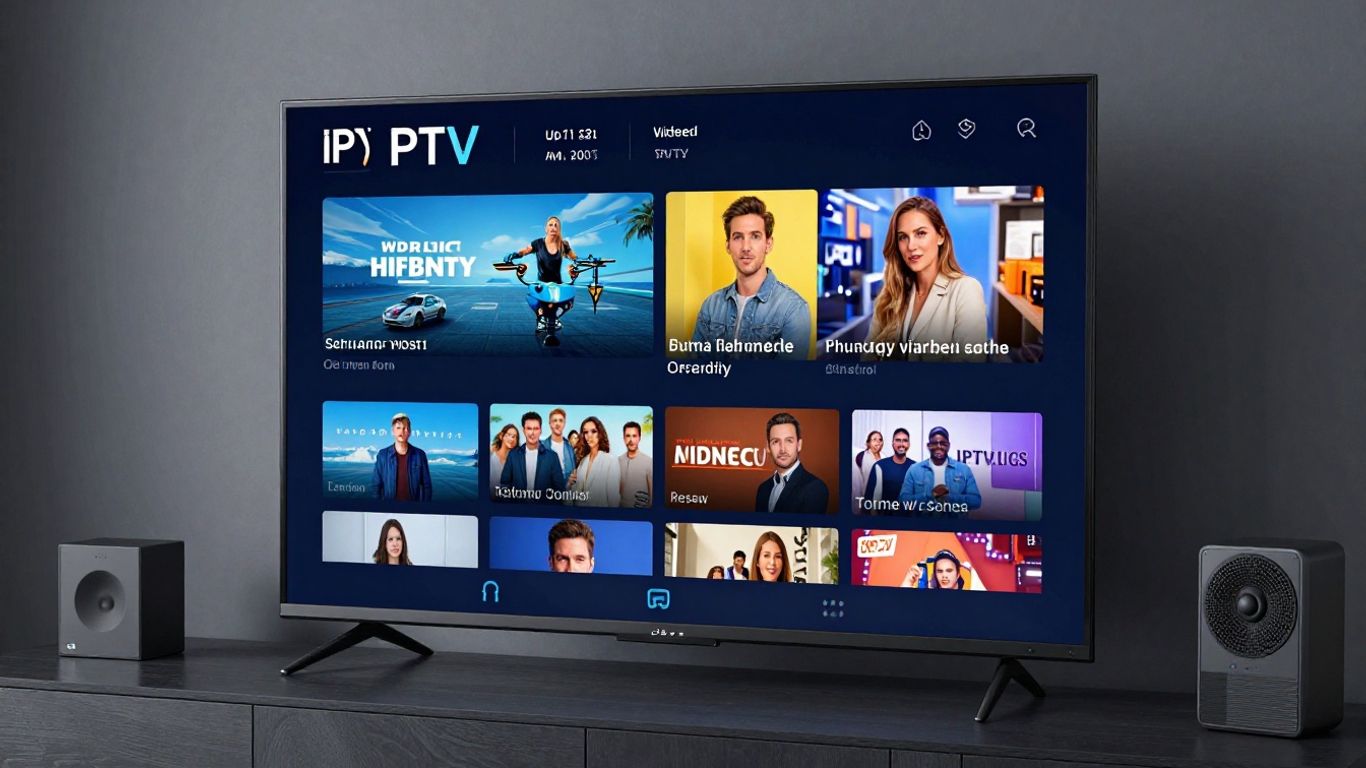
So, you’ve managed to find some M3U playlists and loaded them into your player. That’s awesome! But honestly, just having a giant list of channels can be a bit overwhelming, right? It’s like walking into a massive library with no Dewey Decimal System. That’s where “curating” comes in. It’s all about making that huge collection of channels work for you, so you can actually find what you want to watch without spending half your evening scrolling.
Building a Personalized Channel List
This is probably the most important step to making free IPTV feel less like a chaotic free-for-all and more like your own personal TV guide. Most IPTV players let you mark channels as ‘favorites’. Use this feature liberally! If you watch a specific news channel every morning, or a particular sports channel during game time, add it to your favorites. It makes jumping to those channels a breeze.
Think about creating custom groups too, if your player supports it. Maybe you want a “Kids” group for when the little ones are around, a “Sports” group for game days, or a “Documentaries” group for when you’re feeling educational. It takes a little setup time, but the payoff in convenience is huge.
Leveraging EPG Data for Navigation
Ever looked at a channel and had no idea what was on? That’s where the Electronic Program Guide (EPG) comes in. If your M3U playlist includes EPG data (and many good ones do), your IPTV player can show you a schedule for upcoming shows. This is a game-changer. You can see what movies are coming up, when your favorite series episode airs, or what sports events are scheduled.
Some players are better at integrating EPG than others. Look for players that offer a clean, easy-to-read EPG interface. It usually looks like a grid, showing channels down one side and time slots across the top. Having a good EPG makes a world of difference in finding content.
Maintaining a Stable IPTV Link Collection
We’ve talked about how playlists can get stale. It’s the nature of free content. Links break, channels disappear, and new ones pop up. To keep your experience smooth, you need a system for keeping your playlists updated. This doesn’t mean you have to hunt for new ones every single day, but maybe check your primary sources once a week or so.
Here’s a simple approach:
- Regularly test your main playlists: Just a quick scroll through to see if most channels are still working.
- Keep a backup of working links: If you find a really good, stable playlist, save its URL or file somewhere safe. You never know when you might need it.
- Subscribe to updates (if possible): Some GitHub repositories or forums where you find playlists offer notifications for updates. Sign up for those!
The key to a great IPTV experience isn’t just finding a massive list of channels; it’s about organizing them so they’re easily accessible and ensuring the links you rely on are actually working. Think of it as tending a garden – a little regular care keeps everything healthy and productive.
By taking these steps, you transform a raw collection of streams into a personalized entertainment hub that fits your viewing habits perfectly.
Wrapping Up Your Free TV Journey
So, there you have it. Finding and using free M3U playlists can feel like a bit of a treasure hunt, and yeah, sometimes you hit a dead end. But when it works, it really opens up a world of channels without costing you a dime. Remember to keep your playlists updated and maybe use a VPN if you’re concerned about privacy. It’s a different way to watch TV, for sure, and for many, it’s a pretty good one. Happy streaming!