Trying to find Sky News on your satellite can sometimes feel like a treasure hunt, right? You’ve got your dish, you’re fiddling with the settings, and you just want to know where to tune in. This article is all about helping you find those Sky News frequencies, especially on the Astra satellites. We’ll break down which satellites are involved and how the different beams work, so you can get back to watching the news without all the hassle.
Sky News Frequencies on Astra Satellites
Astra 2E, 2F, and 2G Satellite Details
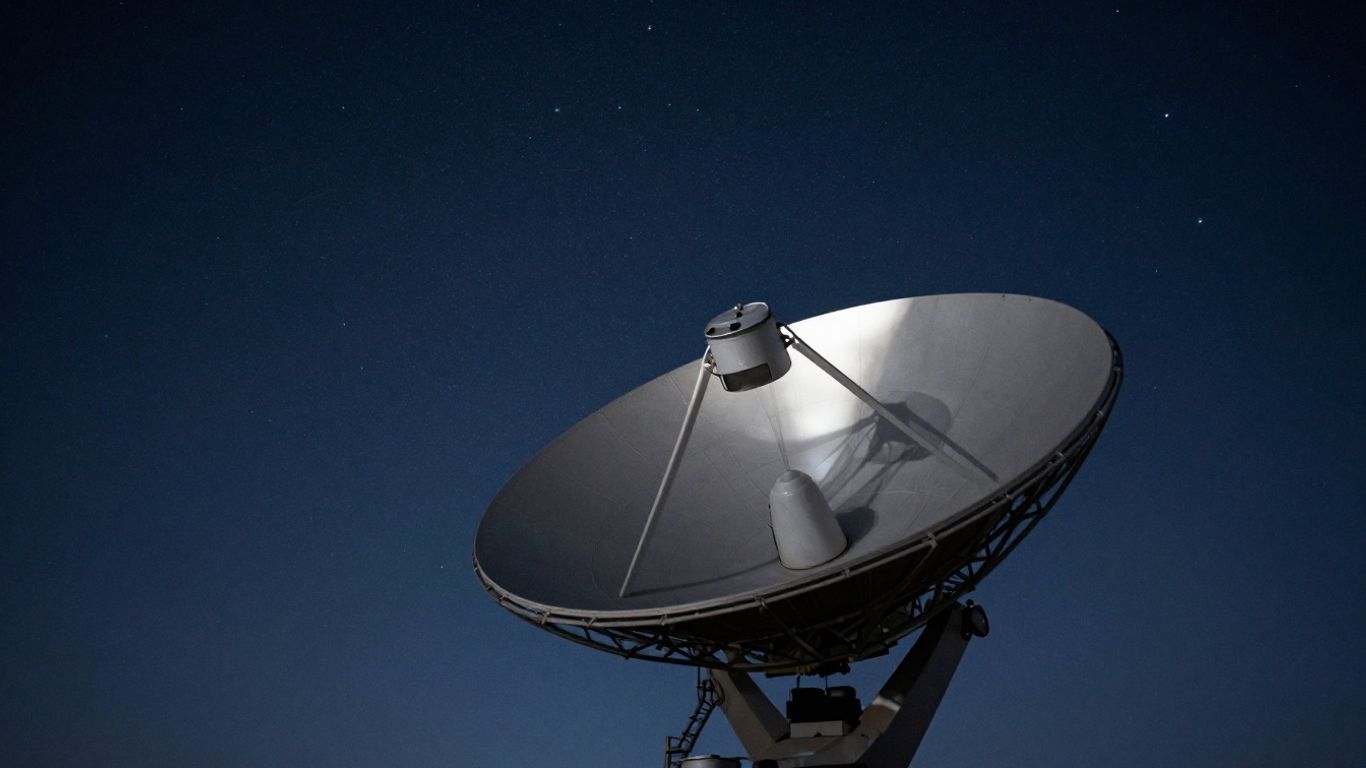
When you’re trying to get Sky News on your satellite dish, you’ll be pointing it towards the Astra satellites parked at 28.2 degrees East. Specifically, the current workhorses for UK broadcasting are Astra 2E, Astra 2F, and Astra 2G. These aren’t just random satellites floating around; they’re strategically positioned to beam signals across Europe, but with some important differences in coverage.
Think of it like a spotlight. Some beams are wide, covering a big area, while others are more focused, like a spotbeam, hitting a particular region more intensely. This is why where you are matters a lot for reception.
Here’s a quick look at what you might find on these satellites:
| Satellite | Beam Type | Frequency (MHz) | Polarization | Notes |
|---|---|---|---|---|
| Astra 2E | UK Spotbeam | 12363 | Horizontal | Carries various UK channels, including HD |
| Astra 2F | European Beam | 12285 | Vertical | Often carries a mix of entertainment channels |
| Astra 2G | UK Spotbeam | Varies | Varies | Used for a range of UK services |
Understanding UK Spotbeams and European Beams
This is where things can get a little technical, but it’s pretty important for understanding why you might get Sky News loud and clear, or not at all. The Astra satellites we just talked about (2E, 2F, 2G) send out different kinds of signals, called beams.
- UK Spotbeams: These are like a focused beam of light, designed to give the strongest signal over the United Kingdom. If you’re in the UK, these are usually your best bet for reliable Sky News reception frequencies. They are also sometimes receivable outside the UK, but the signal strength can drop off quickly.
- European Beams: These beams cover a much wider area, stretching across the continent. While they can be picked up in the UK, the signal might not be as strong as the dedicated UK spotbeams. If you’re trying to get Sky News from somewhere in mainland Europe, you’ll likely be relying more on these.
The key takeaway here is that the satellite owner, Astra, determines the footprint of these beams. Broadcasters like Sky just rent space on the transponders. So, when you see changes in reception, it’s usually down to the satellite’s beam coverage, not the broadcaster directly altering the signal.
Knowing which beam your receiver is picking up from can help troubleshoot reception issues. For instance, if you’re in Spain and struggling to get a UK channel, it might be because you’re trying to catch it on a UK spotbeam that doesn’t reach your location well, or you’re on a European beam that’s weaker there.
Locating Sky News Broadcasts
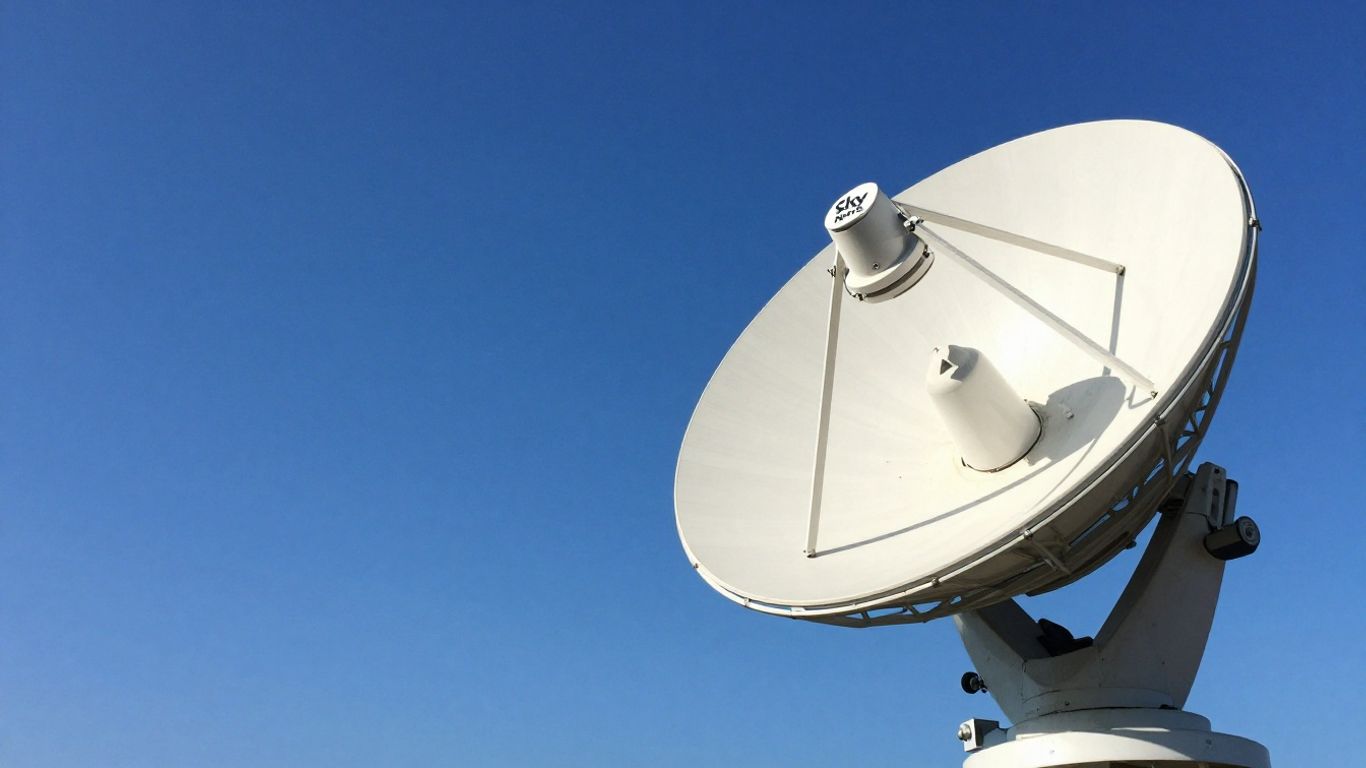
So, you want to find Sky News satellite channels and tune into Sky News on satellite? It’s not as complicated as it might sound. Most people looking to get Sky News on satellite will be using a dish pointed at the Astra satellites. These satellites are pretty much the standard for UK and European satellite TV.
Sky News HD and SD Channel Frequencies
Sky News typically broadcasts on the Astra 2 group of satellites, specifically Astra 2E, 2F, and 2G, which are all parked at the 28.2° East orbital position. The exact frequencies can shift slightly over time, but they are generally found within specific transponders. For instance, Sky News HD and its standard definition (SD) counterpart are often broadcast on the same transponder, just on different streams. You’ll want to check a reliable satellite TV guide for the most current frequencies. Remember to look for transponders designated for the UK beam if you’re in the UK, as these offer the strongest signal.
Here’s a general idea of what you might look for:
| Channel Name | Satellite | Frequency (GHz) | Polarization | Symbol Rate | FEC |
|---|---|---|---|---|---|
| Sky News HD | Astra 2F (28.2°E) | 10.773 | Vertical | 23.000 | 2/3 |
| Sky News SD | Astra 2F (28.2°E) | 10.773 | Vertical | 23.000 | 2/3 |
Note: These are example frequencies and may vary. Always consult up-to-date satellite information.
Free-to-Air Sky News Transmission Details
Sometimes, Sky News might offer a free-to-air (FTA) feed, which means you don’t need a subscription to watch it. This is often the case for major breaking news events or specific promotional periods. Finding these FTA channels requires scanning your satellite receiver for unencrypted channels.
To find these satellite channels for Sky News, you’ll generally need to:
- Access your satellite receiver’s menu.
- Go to the installation or channel scan section.
- Manually enter the satellite details (Astra 2E/2F/2G at 28.2°E) and the specific transponder frequency, symbol rate, and polarization for Sky News.
- Initiate a blind scan or a transponder scan.
It’s worth noting that while Sky News is primarily a subscription service, occasional FTA broadcasts do happen. Keeping an eye on satellite forums or news sites can help you catch these. For example, Sky Mix UK is often available on Astra 2F, utilizing the UK beam, which is a good starting point for finding related channels. Sky Mix UK
If you’re having trouble, consulting your satellite receiver’s manual or looking up specific guides for your receiver model is a good idea. This will help you properly tune into Sky News on satellite.
Wrapping Up Sky News Frequencies
So, there you have it. Finding Sky News on your satellite dish might seem a bit tricky with all the different satellites and frequencies out there, like Astra 2E, 2F, and 2G. It’s not always a simple ‘tune and go’ situation, and sometimes things do shift around. But with the right info, like the frequencies we’ve talked about, you should be able to get your news fix. Just remember, satellite TV can be a bit of a puzzle, and what works today might need a little tweak tomorrow. Happy viewing!